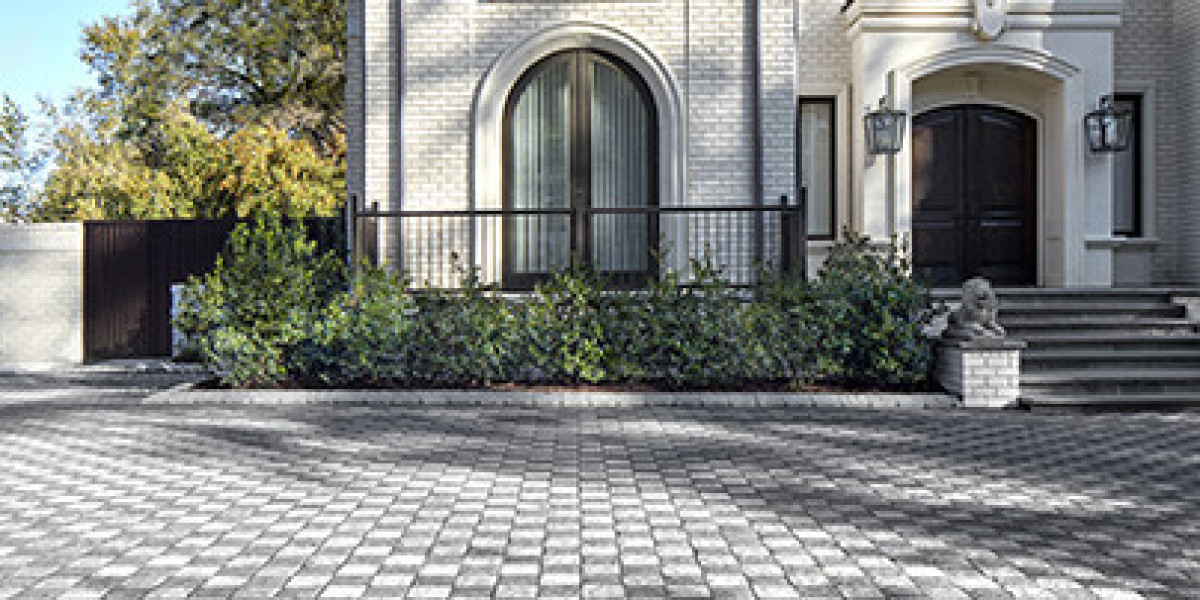
Outdoor flooring plays a vital role in defining the strength, appearance, and functionality of any property. Whether it is a residential driveway, a garden pathway, a commercial courtyard, or a public walkway, the quality of the surface determines its durability and safety. Choosing expert paver block installation ensures that your outdoor flooring remains stable, visually appealing, and long-lasting under varying weather and load conditions.
A well-installed paver block surface is not only attractive but also engineered to withstand daily wear. From proper ground preparation to precise block placement, each stage of installation directly affects the overall performance of the surface. This is why professional execution is essential for achieving consistent and reliable results.
Why Paver Block Installation Matters
Paver blocks are widely preferred for outdoor flooring due to their structural strength and design flexibility. However, the true benefits of paver blocks are realized only when installation is performed correctly.
Improper alignment, uneven base preparation, or insufficient compaction can lead to surface settlement, cracks, and water accumulation. On the other hand, a professionally executed installation ensures:
Uniform load distribution
Proper drainage management
Resistance to shifting and cracking
Enhanced surface life
Clean and refined appearance
The installation process forms the foundation of durability. Even the highest-quality paver blocks require correct groundwork to deliver long-term performance.
Step-by-Step Process of Professional Installation
1. Site Assessment and Planning
In order to begin a project, the site must be thoroughly evaluated. Soil type, slope, expected load, and drainage requirements are carefully studied. Planning ensures the surface is designed to meet functional needs without compromising stability.
2. Ground Preparation
The area is excavated to the required depth based on load requirements. A strong sub-base layer is created using suitable materials. Proper compaction at this stage is crucial, as it prevents future settlement.
3. Base Layer Installation
A base layer, typically consisting of crushed stone or aggregate, is spread and compacted evenly. This layer provides structural support and promotes water drainage.
4. Sand Bedding Layer
A uniform layer of sand is applied to create a level surface for laying the blocks. Precision during this step ensures even placement and alignment.
5. Laying of Paver Blocks
Blocks are placed according to the selected pattern. Alignment and spacing are maintained consistently to achieve a neat and stable finish.
6. Joint Filling and Final Compaction
A fine sand is brushed into the joints between the blocks.The surface is compacted again to lock the blocks firmly in place.
This systematic approach ensures that the installed surface remains stable under heavy usage and environmental exposure.
Advantages of Professional Installation
Durability
Correct installation techniques significantly extend the life of the surface. Proper compaction and joint filling prevent movement and structural weakness.
Easy Maintenance
Paver blocks are easy to maintain, and individual units can be replaced if damaged without disturbing the entire surface.
Improved Drainage
The interlocking system and joint spacing allow water to pass through effectively, reducing water stagnation.
Visual Appeal
Uniform alignment and clean finishing improve the overall appearance of outdoor spaces.
Applications of Paver Block Installation
Professional installation is suitable for various applications, including:
Residential driveways
Parking areas
Garden walkways
Commercial entrances
Industrial premises
Public pavements
Each application may require a specific thickness and design pattern based on expected load conditions.
Comparing Paver Blocks and Concrete Chequered Tiles
While paver blocks are widely used for heavy-duty surfaces, concrete chequered tiles are another reliable option for outdoor flooring.
Concrete chequered tiles are particularly suitable for pedestrian pathways, terraces, and areas where slip resistance is important. Their textured surface provides additional grip, making them ideal for areas exposed to moisture.
Both products offer strength and design versatility. The choice between them depends on usage requirements, aesthetic preferences, and load-bearing needs.
Factors to Consider Before Installation
Before beginning a paver block installation project, it is important to evaluate:
Load-bearing requirements
Soil condition
Drainage design
Pattern selection
Edge restraints
Long-term maintenance needs
Consulting experienced professionals ensures that these factors are addressed thoroughly.
Maintenance Tips for Long-Lasting Performance
Although paver blocks are durable, simple maintenance practices help retain their strength and appearance:
Regular cleaning to remove debris
Periodic inspection of joints
Re-sanding joints if necessary
Immediate replacement of damaged blocks
With proper care, a professionally installed surface can remain intact for many years.
Why Choose a Structured Installation Approach
Structured installation eliminates common issues such as uneven surfaces, loose blocks, and poor drainage. It ensures consistent compaction, accurate alignment, and proper joint filling.
A professional approach also saves time and reduces long-term repair costs. Investing in correct installation at the beginning prevents expensive maintenance in the future.
Conclusion
Good and firm outdoor surface starts with good installation. Paver blocks are installed by experts guaranteeing structural stability, effective drainage and reliability. It might be residential, commercial or industrial but proper planning and professional implementation are needed to have a reliable outcome. In the case of pedestrian friendly places and ornamental footways, concrete chequered tiles will equally offer the same level of utility. A correct choice of the product and professional installation will guarantee a long-lasting performance and aesthetic appearance. Through the use of quality materials and organized construction process, the owners of a property can establish an outdoor flooring that will be useful and appealing over the years.
Frequently Asked Questions
1. How long does paver block installation take?
A project's duration will depend on its size and the site's conditions. Small residential areas may take a few days, while larger commercial spaces may require additional time.
2. Are paver blocks suitable for heavy vehicles?
Yes, provided the installation includes adequate base preparation and the appropriate block thickness is selected.
3. Do paver blocks require regular maintenance?
Maintenance is minimal. Occasional cleaning and joint sand refilling help maintain stability and appearance.
4. What is the difference between paver blocks and concrete chequered tiles?
Paver blocks are generally used for load-bearing surfaces such as driveways and parking areas, while concrete chequered tiles are ideal for pedestrian areas requiring slip resistance.
5. Can damaged paver blocks be replaced?
Yes, individual blocks can be removed and replaced without affecting the surrounding surface.