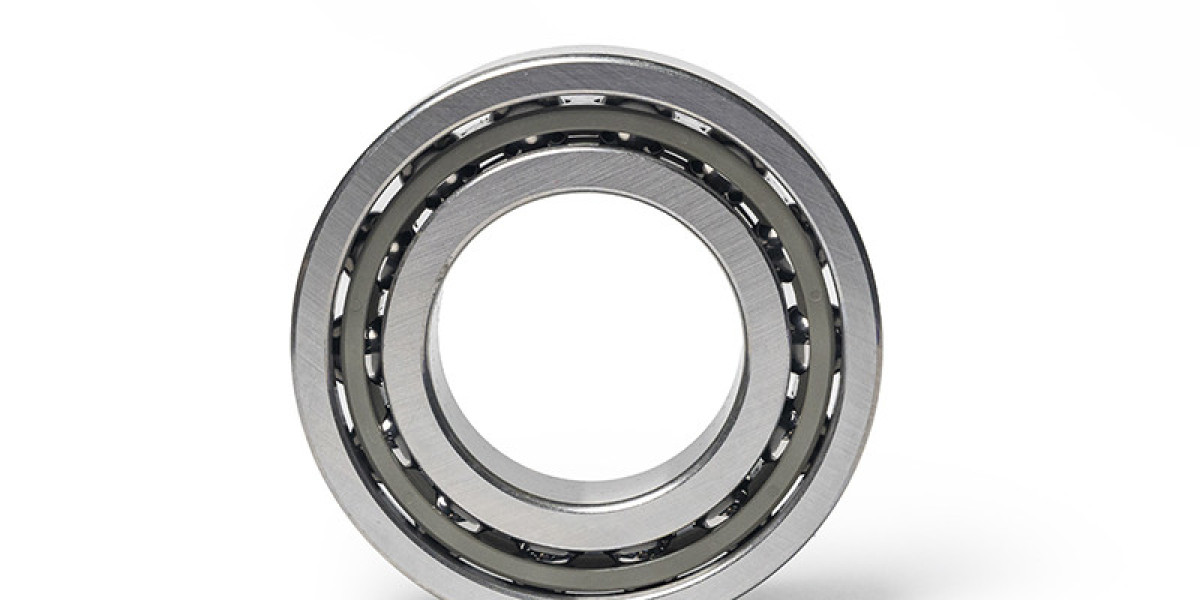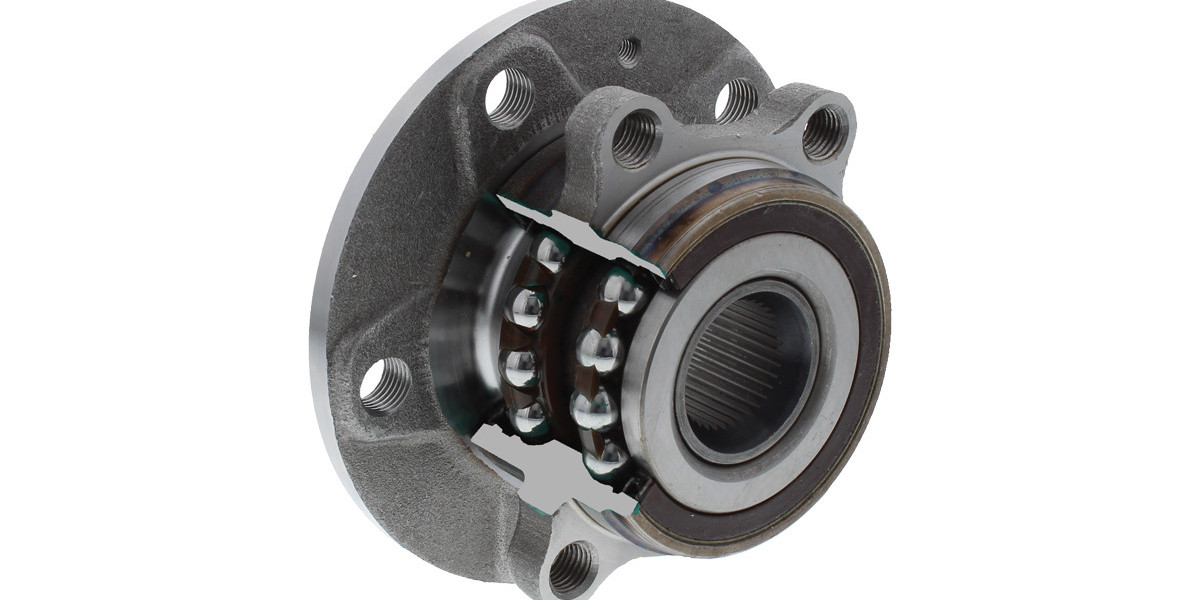
Wheel bearings are small but critical components in any vehicle. They support wheel rotation, maintain alignment, and handle both radial and axial loads. Poor-quality or worn bearings can cause noise, vibration, and even accidents. For OEMs, fleet operators, and industrial vehicle manufacturers, ensuring reliable wheel performance is essential.
High-quality wheel bearing kits provide a complete solution, combining bearings, hubs, seals, and other components into a ready-to-install unit. These kits simplify maintenance, extend service life, and reduce downtime.
The Industry Problem: Wheel Noise and Premature Bearing Wear
Vehicles rely on hub assemblies to keep wheels stable. Over time, bearings experience:
Continuous load from vehicle weight
Stress from braking and turning
Exposure to moisture, dust, and debris
Temperature fluctuations
Low-quality or worn bearings can result in:
Wheel vibration and humming noise
Uneven tire wear
ABS sensor malfunctions
Premature hub failure
For manufacturers and fleet operators, these failures translate into higher maintenance costs, warranty claims, and safety concerns.
The Solution: Comprehensive Wheel Bearing Kits
A wheel bearing kit is a pre-assembled unit that includes all essential components for the wheel hub: the bearing, hub, seals, and sometimes additional hardware. By providing a complete system, the kit ensures perfect alignment, reduces installation errors, and improves operational reliability.
For manufacturers seeking dependable wheel components, wheel bearing kits offer a ready-to-use solution with consistent quality and performance.
How Wheel Bearing Kits Work
The bearing kit functions as follows:
Bearings support wheel rotation while handling radial and axial loads.
Seals keep contaminants out and retain lubrication.
The hub provides a strong mounting point for the wheel.
All components work together to reduce friction and maintain alignment.
This integrated design improves vehicle handling and safety while minimizing maintenance intervals.
Problems in Old or Generic Bearing Solutions
Traditional bearings often come as separate parts, requiring individual installation and adjustment. Common drawbacks include:
Improper alignment
Inconsistent lubrication
Increased risk of contamination
Higher installation labor
Shorter service life
These factors increase downtime, reduce safety, and raise total cost of ownership.
How Wheel Bearing Kits Solve These Issues
Modern wheel bearing kits provide several advantages:
Integrated Design: Factory-assembled components reduce errors.
Pre-Lubricated Bearings: Sealed and lubricated for long-term smooth operation.
Corrosion-Resistant Materials: Enhance durability in harsh conditions.
Simplified Installation: Minimizes labor and reduces maintenance frequency.
By investing in wheel bearing kits, manufacturers and fleet managers achieve more reliable vehicle performance with lower long-term costs.
Key Features That Ensure Durability
When evaluating wheel bearing kits, B2B buyers should consider:
Load capacity (radial and axial)
Bearing material and surface hardness
Seal quality and lubrication retention
Corrosion resistance
Precision machining and dimensional accuracy
Compatibility with ABS or other sensors
These factors ensure smooth wheel rotation, longer life, and reduced vibration.
Wheel Bearing Kits vs Standard Bearings
| Feature | Wheel Bearing Kit | Standard Bearing Only |
|---|---|---|
| Installation | Pre-assembled, ready to fit | Multiple components |
| Lubrication | Pre-filled, sealed | Manual greasing needed |
| Maintenance | Minimal | Frequent |
| Alignment | Factory-set | Manual adjustment |
| Service Life | Longer | Shorter |
Kits reduce labor, installation errors, and long-term operational costs compared to individual bearings.
Real Applications Across Vehicles
Wheel bearing kits are used in:
Passenger cars and SUVs
Commercial trucks and buses
Construction and agricultural vehicles
Trailers and industrial machinery
They improve wheel stability, reduce noise, and maintain safety across all vehicle types.
Why Manufacturers Prefer Complete Wheel Bearing Kits
OEMs and industrial suppliers favor kits because they:
Minimize assembly errors
Reduce installation time and labor costs
Improve quality consistency
Extend service intervals
Lower warranty and replacement claims
For global vehicle manufacturers, consistent and reliable components are essential to maintaining brand reputation and operational efficiency.
How to Choose the Right Wheel Bearing Kit
Before purchasing, consider:
Vehicle or hub specifications
Load and speed requirements
Environmental conditions (moisture, dust, temperature)
Material quality and durability
Compatibility with ABS or sensors
Supplier reliability and batch consistency
A trusted supplier ensures long-term performance and supply chain stability.
Conclusion
Wheel bearings are small but essential. Poor-quality bearings increase vibration, noise, and risk of failure. Modern wheel bearing kits provide integrated, durable, and pre-lubricated solutions that improve safety, extend service life, and reduce maintenance costs.
For B2B buyers, manufacturers, and fleet operators, investing in high-quality wheel bearing kits ensures smooth vehicle performance, operational reliability, and long-term savings.