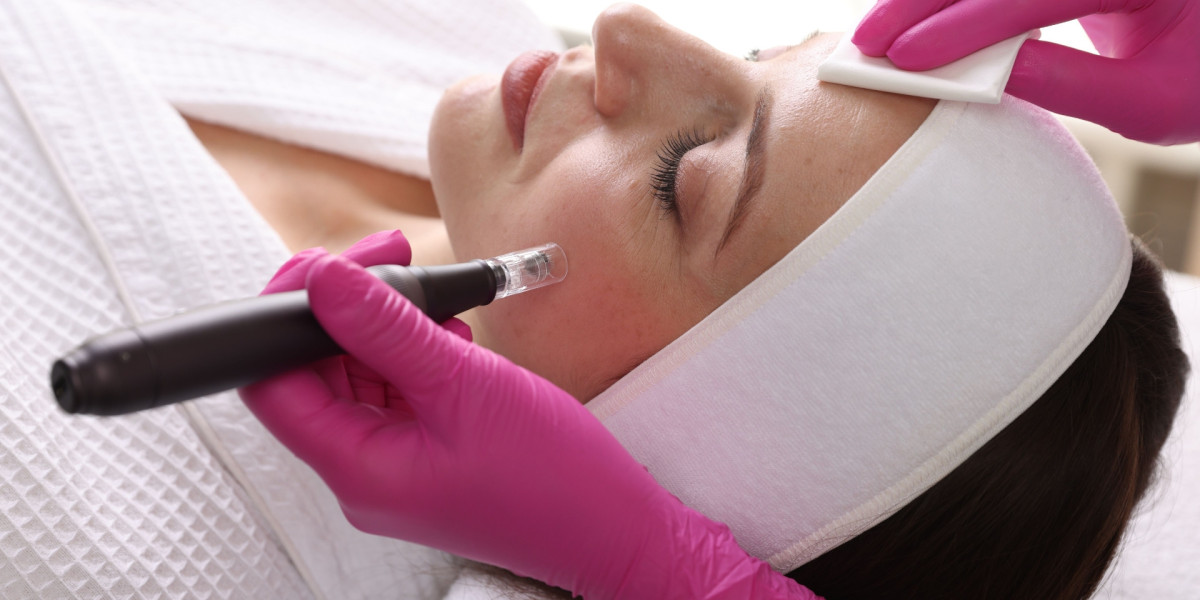
SkinPen microneedling is often described as a treatment that boosts collagen, but what actually happens beneath the surface is far more interesting. To truly understand why SkinPen delivers consistent and natural looking results, it helps to look at how the skin responds at the cellular level. This is where real regeneration begins.
Understanding the Skin’s Natural Repair System
Your skin is designed to heal itself. Anytime it experiences a controlled injury, the body activates a repair response that replaces damaged cells with healthier ones. SkinPen microneedling works by creating thousands of precise microchannels in the skin using medical grade needles. These microchannels are intentional and uniform, which is critical for triggering repair without causing trauma.
Unlike harsh resurfacing treatments, SkinPen does not remove layers of skin. Instead, it communicates directly with the cells responsible for healing and renewal.
What Happens Immediately After Treatment
The moment SkinPen creates microchannels, the skin enters the inflammatory phase of healing. This phase often sounds negative, but it is essential. Blood flow increases to the treated area, delivering oxygen, nutrients, and immune cells. These signals alert fibroblasts, which are specialized cells that produce collagen and elastin.
At this stage, the skin also releases growth factors. These proteins act as messengers, telling surrounding cells to prepare for regeneration. This is why mild redness and warmth are normal after treatment, as they indicate active cellular communication.
Collagen Stimulation at the Cellular Level
Collagen is the structural protein that keeps skin firm and resilient. As we age, collagen production slows down, leading to wrinkles, laxity, and uneven texture. SkinPen microneedling reactivates collagen synthesis by stimulating fibroblasts in the dermis.
Once activated, fibroblasts begin producing new collagen fibers, primarily type III collagen. Over time, this collagen matures into stronger type I collagen, which improves skin density and strength. This process does not happen overnight. It continues for weeks and even months after treatment, leading to gradual and natural improvement.
Enhanced Cell Turnover and Renewal
Microneedling also accelerates cell turnover. Old and damaged skin cells are replaced with newer, healthier ones. This renewal improves tone, texture, and clarity. It is one of the reasons SkinPen is effective for acne scars, fine lines, enlarged pores, and uneven pigmentation.
Because the microchannels temporarily increase skin permeability, topical serums applied after treatment can penetrate deeper. This allows nourishing ingredients to reach the cells that need them most, enhancing overall results.
Why SkinPen Is Different From Other Devices
SkinPen is FDA cleared and designed with safety in mind. Its depth control ensures consistent penetration, which is essential for predictable cellular response. Cheaper or unregulated devices may create uneven injury, which can disrupt healing or cause inflammation without regeneration.
SkinPen also uses sterile, single use needle cartridges. This protects the skin barrier and reduces the risk of infection, allowing the body to focus entirely on repair and rebuilding.
Long Term Cellular Benefits
With a series of treatments, SkinPen helps retrain the skin to function more efficiently. Collagen networks become stronger, circulation improves, and cellular communication becomes more responsive. The result is skin that not only looks better but behaves like healthier skin at a biological level.
Patients often notice improved firmness, smoother texture, and better elasticity. These changes reflect true cellular remodeling rather than temporary surface enhancement.
Conclusion
SkinPen microneedling works because it aligns with the body’s natural healing intelligence. By stimulating fibroblasts, increasing collagen production, and enhancing cell turnover, it creates lasting improvements from the inside out. Understanding the cellular process explains why results look natural, progressive, and balanced. When performed correctly, SkinPen is not just a cosmetic treatment, it is a regenerative one.
Frequently Asked Questions
How long does cellular collagen production last after SkinPen microneedling?
Collagen production can continue for up to three to six months after a treatment as fibroblasts remain active during the remodeling phase.
Is SkinPen microneedling safe for all skin types?
Yes, SkinPen is safe for all skin tones and types when performed by a trained professional using proper depth settings.
How many treatments are needed for cellular level results?
Most people benefit from a series of three to six sessions spaced several weeks apart to achieve optimal collagen regeneration.
Does microneedling damage the skin barrier?
No, SkinPen creates controlled microchannels that close within hours, allowing the skin barrier to recover quickly and function normally.
Can SkinPen help with acne scars at a cellular level?
Yes, microneedling breaks down scar tissue and stimulates new collagen formation, which helps smooth and rebuild damaged skin structure.