
https://antisocialsocialclubstore.us/ (ASSS) is more than a streetwear brand — it’s a cultural statement. Founded in 2015, the Los Angeles–based label quickly became one of the most talked-about fashion entities of the decade. Combining minimalist graphics, ironic branding, and a narrative rooted in emotional expression, ASSS redefined what modern streetwear could represent. This article explores the brand’s history, design philosophy, impact on fashion, criticism, and enduring legacy.
Origins: A Brand Born from Solitude
Anti Social Social Club was created by Neek Lurk, a former social media manager in Los Angeles. The idea wasn’t born from meticulous business planning or fashion expertise; instead, it was an emotional outlet.
Lurk has described the brand’s name as an expression of his personal struggles with feelings of isolation, anxiety, and social discomfort. This emotional frankness resonated deeply with a generation of young people — many of whom felt misunderstood or conflicted. In this sense, ASSS tapped into something far more profound than consumer demand: it gave language and visual identity to an otherwise unspoken mindset.
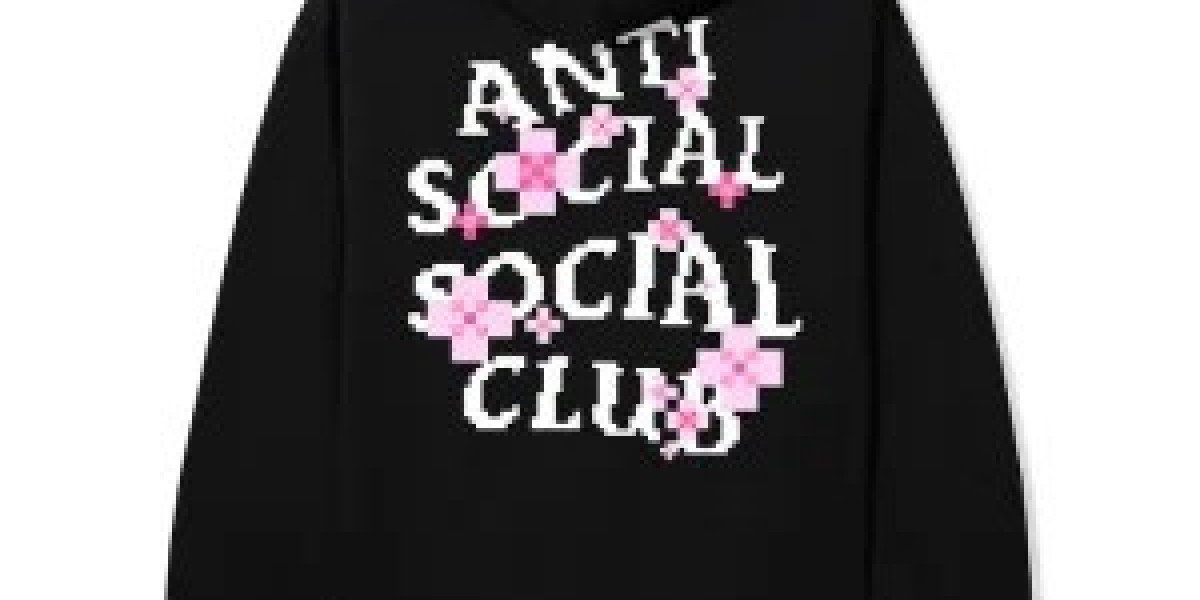
The brand’s debut hoodie, introduced in 2015, simply featured the words “Anti Social Social Club” in bold text. Its raw, almost unpolished aesthetic made a powerful impact — not because it was high fashion, but because it felt real. This authenticity became a cornerstone of the brand’s identity.
Design Philosophy: Minimalism Meets Emotional Branding
At first glance, ASSS’s aesthetic appears simple: bold text, a minimal palette, and straightforward layouts. But beneath that simplicity lies intentional design that resonates psychologically.
1. Typography and Language
The brand’s signature font and phrasing — often a slightly skewed, condensed sans-serif — evoke a DIY or underground feel. The repetition in the name itself creates a sense of introspection, almost like a private thought loop.
This linguistic approach turned the brand’s identity into a statement: wearing ASSS wasn’t just about fashion; it was a confession, a proclamation, or even a kind of vulnerability worn on the sleeve.
2. Limited Color Palettes
Assortments often include neutral tones like black, white, grey, and beige. Occasional bursts of color (neon green, pastel pink, vivid orange) provide contrast, but the overall palette remains restrained. This gives the brand a timeless feel while allowing its logo and message to remain the focal point.
3. Strategic Simplicity
Unlike luxury fashion houses that rely on intricate designs and couture techniques, ASSS thrives on simplicity. This stripped-down approach creates accessibility — anyone can recognize it, and anyone can relate to its message.
The Power of Hype: Marketing Without Traditional Advertising
One of Anti Social Social Club’s most compelling traits is its marketing strategy — or lack thereof. From the beginning, the brand defied traditional advertising norms.
1. No Paid Campaigns, Huge Buzz
ASSS didn’t rely on billboards, glossy magazines, or big-budget promotions. Instead, it used scarcity and exclusivity as its primary tools.
Drop culture — in which new products are released in limited quantities at random intervals — fueled demand. Social media played a key role: fans would eagerly share screenshots, post unboxings, and start discussions about whether they managed to buy items before they sold out.
2. Social Media as Brand Identity
Neek Lurk himself initially served as the brand’s primary social media voice. His raw, sometimes candid posts — including expressions of frustration, humor, or personal thoughts — humanized the brand and made it feel like a community rather than a corporation.
Instagram served as the main platform for announcements, drops, and customer interactions. The result was a grassroots movement: wearers felt personally connected to the brand, not just as consumers but as participants in a shared ethos.
Collaborations: Streetwear Meets Culture
ASSS expanded its influence through strategic collaborations with other brands, artists, and cultural icons.
1. Cross-industry Collaborations
From footwear giants to accessory designers, Anti Social Social Club partnered with companies that aligned with its aesthetic and audience. These collaborations often sold out quickly, reinforcing the brand’s reputation for exclusivity and desirability.
Rather than diluting the brand’s identity, collaborations amplified it — introducing ASSS to new audiences while maintaining its core message.
2. Cultural Cachet
Collaborations weren’t just commercial; they were cultural. By connecting with diverse creators, the brand placed itself at the intersection of fashion, art, and music. This expanded ASSS’s appeal beyond streetwear enthusiasts to a broader cultural audience.
Criticism and Controversy
Despite its success, ASSS hasn’t been without critics.
1. Quality Concerns
Some customers have raised concerns about product quality — citing inconsistencies in stitching, sizing, and fabric durability. Because of the brand’s high resale value and limited drops, buyers often feel let down if the products don’t meet premium expectations.
2. Messaging Interpretation
The brand’s name and emotional framing have also sparked debate. Some argue that glorifying anti-social behavior or negativity may be harmful or counterproductive, particularly among impressionable youth. Others see it as a genuine expression of modern mental health struggles.
3. Hype Over Substance
Because much of the brand’s success stems from scarcity and hype, critics question whether Anti Social Social Club’s popularity is sustainable or whether it’s driven primarily by speculative resale culture rather than authentic fashion appreciation.
Impact on Streetwear and Pop Culture
Despite criticism, ASSS’s impact is undeniable.
1. Redefining Streetwear Authenticity
Anti Social Social Club helped shift streetwear away from purely logo-centric fashion toward something more emotionally grounded. Brands that followed began to experiment with messaging, vulnerability, and personal narrative.
2. Influence on Consumer Behavior
The brand also influenced how fashion drops are marketed. Limited releases, teaser campaigns, and social media–driven demand are now industry standards across many labels, from niche streetwear to larger apparel brands.
3. Global Fanbase
Though founded in the U.S., ASSS quickly found fans worldwide. Social media communities emerged, featuring fan art, custom designs, and localized interpretations of the brand’s ethos. This global resonance speaks to the universality of its emotional themes.
Resale Culture and Economic Impact
One of the most notable phenomena around Anti Social Social Club is its role in the resale market.
1. Value Beyond Retail
Items often sell out within minutes of release. Because of this scarcity, secondary markets price ASSS clothing at multiples of the original price. This has created a mini-economy in which owning the brand becomes both a fashion statement and an investment.
2. Cultural Perceptions of Value
The resale mentality has shifted how fashion consumers perceive value. For many, the worth of a piece isn’t just in its design but in its cultural capital — how difficult it was to obtain, how recognizable it is, and how it signals belonging to a coveted community.
Community and Identity
At its core, Anti Social Social Club is about identity.
1. Belonging Through Alienation
It may sound paradoxical, but ASSS creates connection through themes of isolation. Wearers often report feeling understood or represented by the brand’s messaging, finding comfort in shared emotional vocabulary.
2. Fandom as Culture
Fans don’t just buy the clothing — they experience it. Online communities share stories, photos, memes, and interpretations of what it means to be “anti-social” in a highly social digital age. In doing so, they turn a fashion brand into a cultural movement.
Conclusion: More Than a Brand
Anti Social Social Club is not just a label — it’s a mirror reflecting the emotional landscape of a generation. Its raw honesty, minimalist design, and unconventional marketing have left a lasting imprint on modern fashion.
Whether viewed as a savvy fashion enterprise, a social commentary, or a cultural moment, ASSS illustrates how clothing can transcend function and become a language — one that speaks to identity, vulnerability, and community in an increasingly complex world.