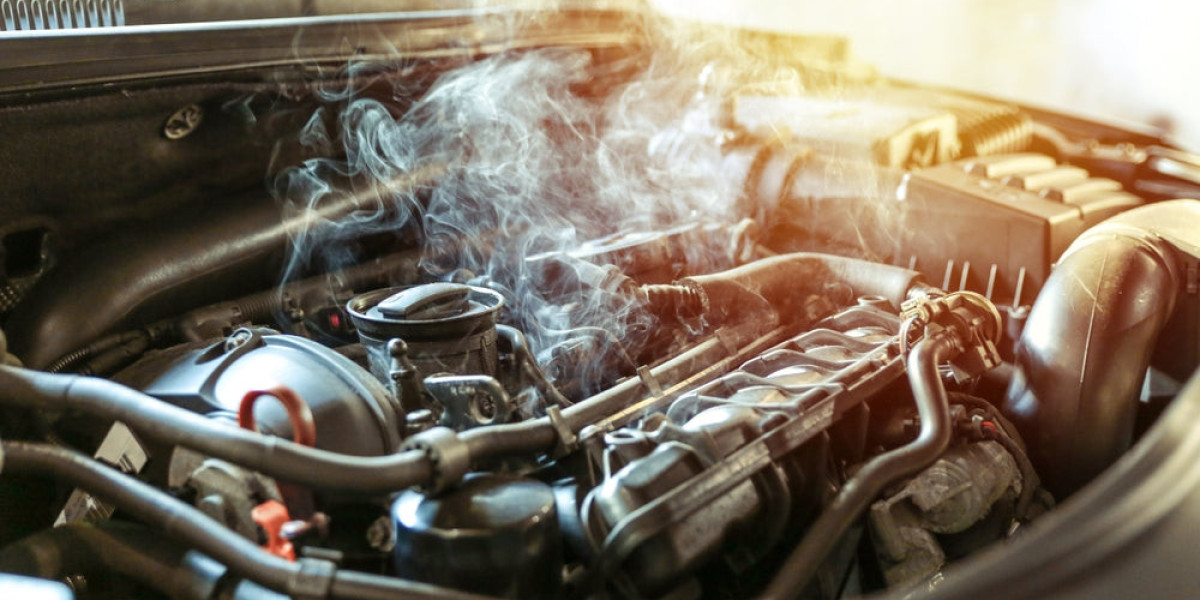

Introduction to Engine Solutions
Engines are the backbone of modern transportation, industrial machinery, power generation, and countless mechanical systems. From automobiles and ships to generators and manufacturing equipment, engines convert energy into usable mechanical power. However, as technology advances and environmental regulations become stricter, traditional engine designs face new challenges. This is where Engine solutions come into play.
Engine solutions refer to the technologies, strategies, and services aimed at improving engine performance, efficiency, reliability, and environmental impact. These solutions cover a wide range of areas, including design optimization, fuel management, emissions control, maintenance systems, and digital monitoring. In today’s competitive and sustainability-focused world, engine solutions are no longer optional—they are essential.
Understanding the Need for Advanced Engine Solutions
Modern engines must meet higher expectations than ever before. Customers demand better fuel economy, governments enforce strict emission standards, and industries seek longer engine lifespans with lower operating costs. Without effective engine solutions, meeting these demands becomes extremely difficult.
Key challenges faced by engines today include:
Rising fuel costs
Increasing emission regulations
Wear and tear due to heavy usage
Demand for higher power output with lower consumption
Need for real-time diagnostics and predictive maintenance
Engine solutions are designed to address these challenges holistically rather than relying on simple mechanical fixes.
Types of Engine Solutions
Mechanical Engine Solutions
Mechanical engine solutions focus on improving the physical components of an engine. These include enhanced pistons, crankshafts, valves, bearings, and cooling systems. Using advanced materials such as lightweight alloys and heat-resistant metals helps reduce friction and increase durability.
Improved lubrication systems are also a major part of mechanical solutions. Better oil circulation and high-quality lubricants reduce internal wear, increase efficiency, and extend engine life. Optimized cooling systems prevent overheating, which is one of the leading causes of engine failure.
Fuel Efficiency Solutions
Fuel efficiency is one of the most critical aspects of modern engine solutions. Engineers continuously work on improving combustion processes to extract maximum energy from fuel.
Some common fuel-related engine solutions include:
Direct fuel injection systems
Turbocharging and supercharging
Variable valve timing
Advanced fuel management software
These solutions ensure precise fuel delivery and optimal air-fuel mixing, leading to better combustion, reduced fuel consumption, and lower emissions.
Emission Control Solutions
Environmental concerns have pushed engine manufacturers to develop strong emission control solutions. These solutions aim to reduce harmful gases such as carbon monoxide, nitrogen oxides, and particulate matter.
Common emission control technologies include:
Catalytic converters
Exhaust gas recirculation (EGR) systems
Diesel particulate filters (DPF)
Selective catalytic reduction (SCR) systems
By integrating these systems, engines can comply with international emission standards while maintaining performance.
Digital and Smart Engine Solutions
Engine Control Units (ECUs)
One of the biggest advancements in Engine solutions is the use of electronic control units. ECUs act as the brain of modern engines, controlling fuel injection, ignition timing, airflow, and emissions.
By continuously analyzing sensor data, ECUs make real-time adjustments to ensure optimal performance. This results in smoother operation, improved fuel efficiency, and reduced engine stress.
Predictive Maintenance and Diagnostics
Smart engine solutions now use sensors, software, and data analytics to predict potential failures before they occur. Predictive maintenance systems monitor parameters such as temperature, vibration, pressure, and oil quality.
These solutions offer several benefits:
Reduced unexpected breakdowns
Lower maintenance costs
Increased engine uptime
Extended component lifespan
Industries such as aviation, shipping, and power generation heavily rely on predictive engine solutions to avoid costly downtime.
Engine Solutions for Different Industries
Automotive Engine Solutions
In the automotive sector, engine solutions focus on fuel economy, low emissions, and driver comfort. Hybrid engines, start-stop systems, and downsized turbocharged engines are prime examples.
Electric and hybrid technologies are also considered part of modern engine solutions, as they significantly reduce dependence on fossil fuels while maintaining performance.
Industrial Engine Solutions
Industrial engines operate under heavy loads and harsh conditions. Engine solutions for this sector emphasize durability, reliability, and continuous operation.
Robust cooling systems, reinforced engine blocks, and advanced filtration systems are commonly used. Additionally, remote monitoring solutions help operators track engine health from centralized control rooms.
Marine and Power Generation Engine Solutions
Marine engines and power generators require specialized solutions due to long operating hours and extreme environments. Engine solutions here include corrosion-resistant materials, high-efficiency fuel systems, and advanced safety mechanisms.
Optimized engine tuning and waste heat recovery systems are also used to maximize energy output and reduce operational costs.
Sustainable and Future-Focused Engine Solutions
Alternative Fuels and Hybrid Systems
Sustainability is shaping the future of engine solutions. The use of alternative fuels such as biofuels, hydrogen, and natural gas is increasing rapidly.
Hybrid engine solutions combine traditional internal combustion engines with electric motors. This approach reduces fuel consumption, lowers emissions, and improves overall efficiency, especially in urban driving conditions.
Role of Artificial Intelligence in Engine Solutions
Artificial intelligence is becoming a game-changer in engine development and management. AI-powered systems analyze massive amounts of engine data to optimize performance and detect anomalies.
These intelligent engine solutions can:
Automatically adjust operating parameters
Predict failures with higher accuracy
Improve energy efficiency over time
As AI technology evolves, engines will become smarter, safer, and more autonomous.
Benefits of Implementing Advanced Engine Solutions
Adopting modern engine solutions offers multiple long-term benefits:
Improved fuel efficiency and cost savings
Reduced environmental impact
Enhanced engine reliability and lifespan
Better compliance with regulations
Increased operational efficiency
Whether for personal vehicles or large-scale industrial systems, engine solutions provide a strong return on investment.
Conclusion
Engine solutions play a vital role in meeting the growing demands of performance, efficiency, and sustainability. As engines evolve from purely mechanical systems to intelligent, data-driven machines, the importance of advanced solutions continues to grow.
From mechanical enhancements and fuel optimization to digital diagnostics and AI-powered systems, engine solutions address every major challenge faced by modern engines. By investing in the right engine solutions, industries and individuals can achieve better performance, lower costs, and a cleaner future.
Check out the new and latest article to see by clicking here.