
Working in childcare is a rewarding profession, but it comes with immense responsibility. Young children are naturally curious, active, and often unaware of potential dangers, which means accidents can happen in seconds. From minor cuts and bruises to serious medical emergencies, educators and caregivers must be prepared to respond quickly and effectively. That’s where professional first aid training becomes essential.
A Childcare First Aid Course equips educators with the knowledge and confidence to handle emergencies, reduce risks, and create a safer learning environment. In this article, we’ll explore why first aid training is crucial in childcare, what it covers, and how it benefits both professionals and parents.
The Importance of First Aid in Childcare Settings
Childcare environments are dynamic and unpredictable. Children explore, play, and interact constantly, which increases the likelihood of injuries or sudden illnesses. Choking hazards, allergic reactions, falls, and asthma attacks are just a few situations that can arise at any moment.
When caregivers are trained in first aid, they can:
Respond immediately during emergencies
Minimise the severity of injuries
Prevent situations from escalating
Provide reassurance to children and parents
Quick and informed action can be the difference between a minor incident and a life-threatening situation.
What Does a Childcare First Aid Course Cover?
A comprehensive training program focuses on scenarios specific to infants and young children. Unlike general first aid courses, childcare-specific training addresses the unique needs of early learners.
1. CPR for Infants and Children
Cardiopulmonary resuscitation (CPR) techniques differ for adults, infants, and children. Childcare training teaches age-appropriate CPR methods to restore breathing and circulation during cardiac emergencies.
2. Choking and Airway Management
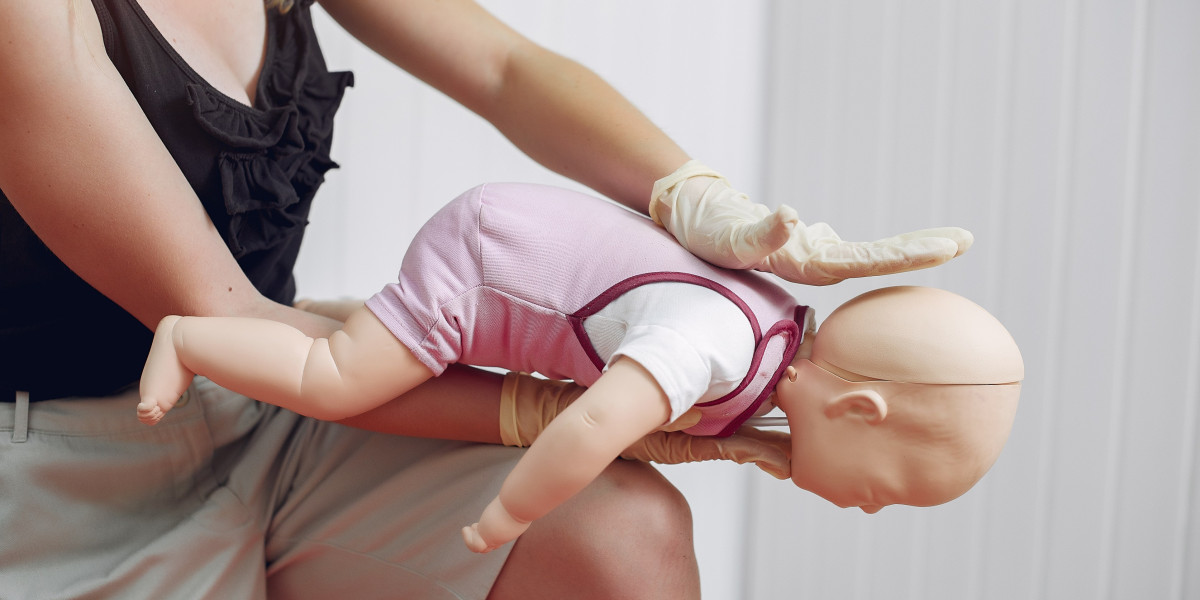
Young children are more prone to choking due to small airways and their tendency to put objects in their mouths. Training teaches how to identify choking and perform safe intervention techniques.
3. Managing Allergic Reactions and Anaphylaxis
Food allergies are common in childcare settings. Educators learn how to recognise symptoms and use devices such as adrenaline auto-injectors to manage severe reactions.
4. Wound Care and Injury Management
From cuts and burns to fractures and head injuries, first aid training provides step-by-step guidance on treating common injuries safely.
5. Asthma and Medical Emergencies
Asthma attacks, seizures, and other medical conditions can occur without warning. Training ensures educators can respond calmly and effectively.
Legal and Regulatory Requirements
In many countries, including Australia and other regions, childcare regulations require staff to hold valid first aid certification. Regulatory bodies often mandate training in CPR, asthma management, and anaphylaxis response.
Completing a certified course ensures compliance with industry standards and helps childcare centres meet legal obligations. It also demonstrates professionalism and commitment to child safety, which is reassuring for parents and guardians.
Benefits for Educators and Childcare Providers
Increased Confidence and Preparedness
First aid training empowers educators to act decisively in emergencies. Instead of panicking, trained professionals can follow established procedures with confidence.
Enhanced Workplace Safety
A trained team reduces the risk of serious incidents and improves overall safety culture within the childcare centre.
Career Advancement
Holding recognised certifications can enhance an educator’s resume and open doors to new career opportunities within early childhood education.
Trust and Reputation
Parents feel more comfortable enrolling their children in centres where staff are trained and prepared. This trust can strengthen the centre’s reputation and increase enrolments.
Choosing the Right Training Provider
Selecting a reputable training provider is essential to ensure high-quality instruction and recognised certification. Look for courses that offer:
Nationally accredited training
Practical hands-on sessions
Experienced instructors
Flexible learning options (online and in-person)
Some providers, such as Growth Training Group, offer comprehensive programs tailored to early childhood educators, ensuring participants receive relevant, practical skills for real-world scenarios.
Practical Tips for Maintaining First Aid Readiness
Even after completing training, ongoing practice and awareness are important. Here are some tips to stay prepared:
Refresh skills regularly: Certifications often require renewal every one to three years.
Keep first aid kits stocked: Ensure supplies are up-to-date and easily accessible.
Conduct safety drills: Regular practice helps staff respond effectively in real emergencies.
Stay informed: Keep up with updated guidelines and best practices in childcare safety.
How First Aid Training Benefits Children and Families
The ultimate goal of first aid training is to protect children. When educators are trained, children benefit from a safer environment and quicker response to injuries or illnesses. Parents gain peace of mind knowing their children are in capable hands.
This trust strengthens relationships between families and childcare providers and contributes to a positive learning environment where children can thrive.
Conclusion
First aid training is not just a requirement—it’s a vital skill that every childcare professional should possess. From managing choking incidents to responding to severe allergic reactions, proper training ensures educators can act quickly, confidently, and effectively in emergencies.
By completing a Childcare First Aid Course, educators demonstrate their commitment to safety, professionalism, and the wellbeing of the children in their care. Investing in high-quality training ultimately creates a safer, more secure, and supportive environment for everyone involved.